
Introduction
I still remember the first time I grilled red snapper. I’d invited two friends over on a breezy summer evening, swore I knew what I was doing, and then—oops—the fish stuck to the grates like it had signed a lease. Lesson learned. That gentle, slightly sweet snapper deserved better than panic-flips and smoke signals.
Now? Different story. Grilled red snapper has become one of my easy weeknight dinners that looks fancy but feels chill. It’s that magical sweet spot where healthy comfort food meets beachy backyard vibes. It’s light yet satisfying, making it a natural star for high protein meals that don’t feel like you’re trying too hard. And because the ingredient list is short and the technique is simple, this totally fits into budget-friendly recipes and quick family meals without sacrificing flavor.
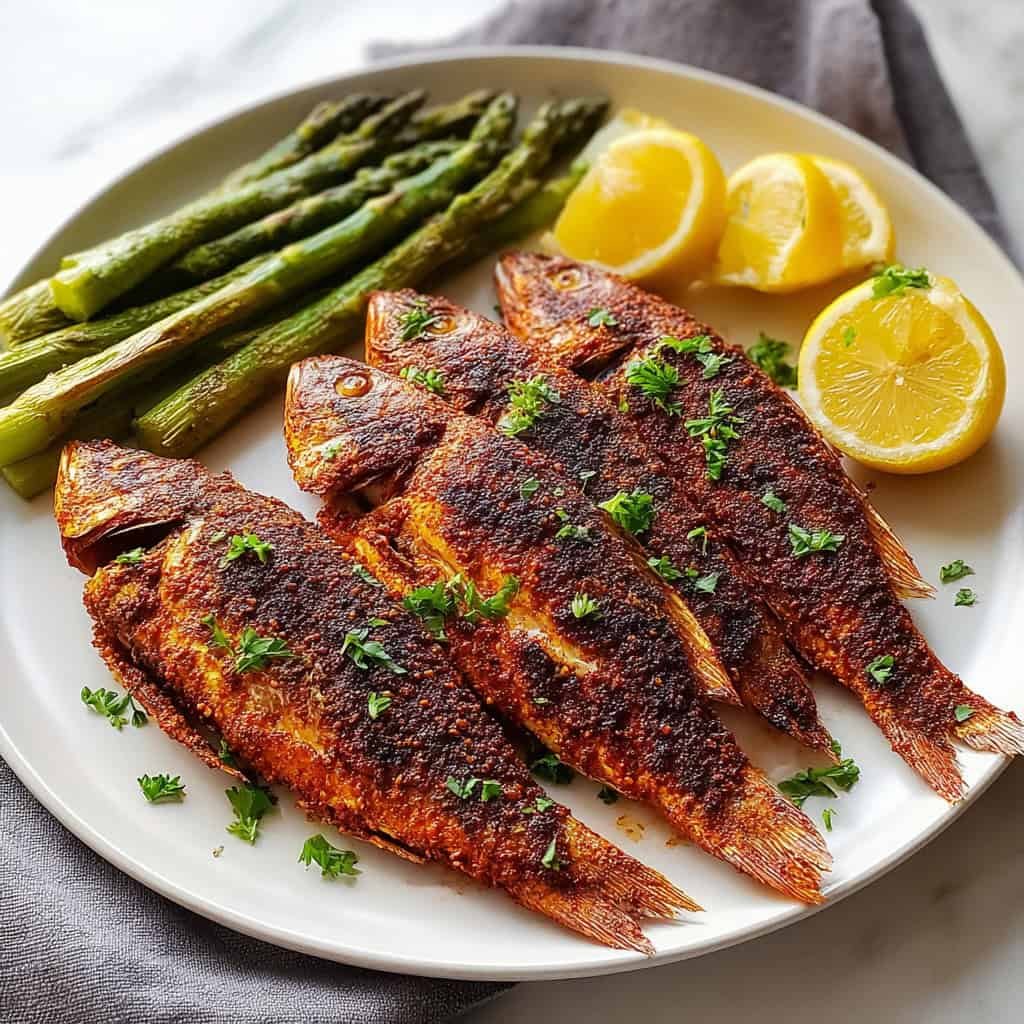
Picture it: warm air, a citrusy sizzle, paprika drifting up in smoky curls, and that telltale crackle when the skin hits a hot, clean grate. The fish cooks fast. The flesh goes from translucent to perfectly opaque. The lemon gets glossy and sweet around the edges. You take a fork to the corner and it flakes with a quiet sigh. That’s the moment I always exhale too, like okay—this is the good kind of simple.
Whether you’re grilling fillets or going all-in with a whole fish, red snapper is forgiving. It takes to spices, loves fresh herbs, and charms lemon like it was made for it. And yes, I’ll walk you through exactly how to keep it from sticking, how to nail doneness at 145°F, and how to plate it like a little coastal vacation. To be real, it’s the kind of dinner that feels like a tiny celebration… even if you’re in sweatpants and the movie is already queued up.
Why You’ll Love This Recipe
It’s fast. You’re eating in about 20 minutes, start to finish.
It’s versatile. Works with fillets or an impressive whole fish.
It’s healthy. High protein, low fat, and naturally fresh tasting.
It’s weeknight-friendly. Minimal ingredients, minimal cleanup, maximum flavor.
It’s meal-prep friendly. Leftovers reheat beautifully for meal prep microwave lunches.
It’s crowd-pleasing. Mild flavor, crisp skin, bright lemon—picky eaters relax, foodies smile.
What Makes This Recipe Special?
Red snapper is naturally mild and slightly sweet, which means the spice blend gets to shine without overpowering. I use smoked paprika, garlic, onion powder, and thyme to build a savory backbone, then finish with a sunny squeeze of lemon for lift.
The technique is simple but intentional. Clean, oiled grates. A generous coat of olive oil on the fish. Patience while the skin crisps and releases. It’s the difference between “pretty good” and “oh-wow-did-you-make-this?”
I also love that this recipe flexes for real life. Want high protein high carb low fat meals? Serve with rice and grilled corn. Prefer high carb high protein low fat meals after a workout? Add couscous, a big citrusy salad, and extra herbs. Playing with macros or dabbling in a keto meal plan? Skip the grains and add garlicky zucchini ribbons and a creamy avocado salsa.
And for my “help, I’m busy” crew—this is a power move for best dinner prep meals, good meal prep plans, and even those nights when ready meals for 2 sound tempting. Make the fish once, turn leftovers into tacos, bowls, or a bright lunch salad. Boom.
Ingredients
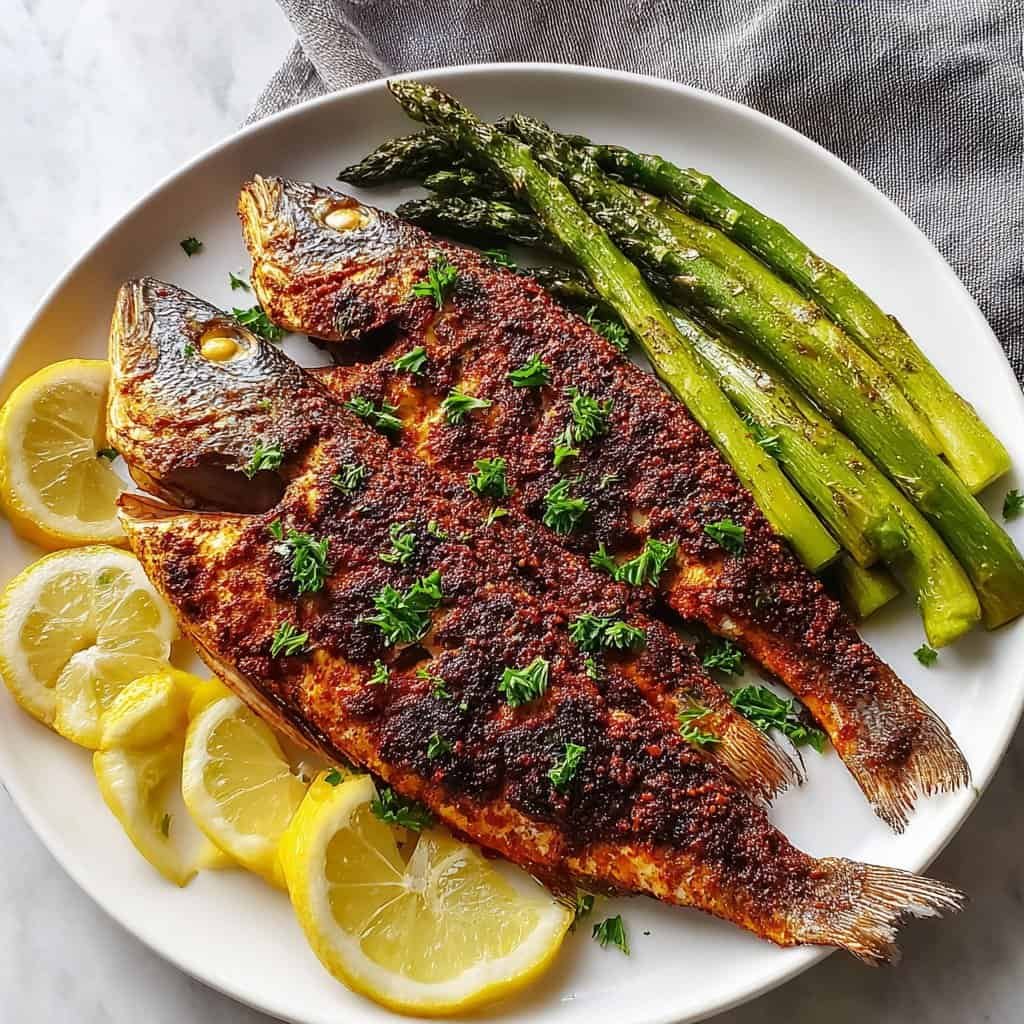
Red snapper doesn’t need to be complicated. These ingredients keep it classic, clean, and wildly flavorful. I’ll list the staples and explain why they work—and where you can riff.
4 red snapper fillets (or 1 whole cleaned red snapper): Fillets are weeknight-easy and cook super fast. Whole fish offers dramatic presentation, stays extra juicy, and is fun for weekends. Ask your fishmonger to scale and clean if you go whole; the bones help keep everything tender.
Olive oil: Your stick-prevention hero and subtle flavor boost. I like a mid-range extra-virgin oil—peppery is fine, but nothing too intense that would take over the fish.
Salt and black pepper: Simple seasoning that wakes up the natural sweetness. Kosher salt is my go-to for its pinchable texture and even distribution.
Smoked paprika: Adds warmth, color, and that “grilled” vibe even before the heat hits. Sweet paprika works too, but smoked is magic here.
Garlic powder and onion powder: These hug the fish with gentle savory depth without risking raw-garlic burn. They’re pantry-friendly and reliable on the grill.
Dried thyme: Earthy and aromatic. If you have fresh thyme or parsley for garnish, even better—it keeps everything bright.
Lemon (juice + wedges): Acid equals sparkle. Lemon counters the richness of the olive oil and makes the paprika pop. Grilling a few lemon halves cut-side down adds caramelized, mellow citrus that’s gorgeous squeezed over the fish.
Fresh parsley or cilantro (optional): Color, freshness, and a bit of herbaceous lift. Cilantro brings a more tropical note; parsley keeps it classic.
Ingredient notes and tips:
If your snapper is very fresh, keep the seasoning light to showcase the fish. If it’s frozen and thawed, the smoked paprika and lemon help restore vibrancy.
Don’t skimp on oiling the grates and the fish. I like to fold a paper towel, dip it in oil with tongs, and swipe the grates twice—safety first.
Avoid heavy sugary marinades; they burn easily on a hot grill. Save sweet glazes for the last 1–2 minutes.
Want a buttery finish? A tiny pat of garlic-herb butter can melt on top after grilling, or try a drizzle of lemony olive oil for a lighter finish.
How to Make It Step-by-Step
Pat the fish dry like you mean it. Moisture is the enemy of browning. I press both sides with paper towels until the surface looks matte. If you’re using a whole fish, I also pat the cavity and the scored slashes.
Heat the grill to medium-high, about 400°F. I clean the grates while the grill warms with a sturdy brush, then oil the grates generously. This is the “don’t skip” moment that saves you later.
Season with intention. Rub a light coat of olive oil on both sides of the fillets (or all over a whole fish, including the slashes). Mix salt, pepper, smoked paprika, garlic powder, onion powder, and thyme. Sprinkle evenly and pat gently so it clings.
For whole fish, add lemon slices and herbs inside the cavity. It perfumes the fish and keeps everything steamy-tender. I’ll sometimes tuck a few thin lemon rounds into the scored cuts too—pretty and practical.
Lay the fish skin-side down and… hands off. This is my hardest step. The sizzle happens, the aroma drifts, and you want to peek. Don’t. Let the skin sear and crisp for 6–7 minutes (for fillets) until it naturally releases when nudged with a fish spatula. If it sticks, it isn’t ready. Give it another minute.
Flip with confidence. Slide the spatula under the skin, lift smoothly, and flip away from you. Cook the second side 2–3 minutes for fillets, or until the flesh is opaque and flakes. For whole fish, plan about 5–6 minutes per side, depending on thickness.
Check doneness without guessing. The gold standard is an internal temperature of 145°F in the thickest part. If you don’t have a thermometer, look for pearly opaque flesh that flakes with a gentle twist of the fork.
Finish with lemon. This last squeeze transforms good into great. The citrus wakes everything up, and the steam that rises smells like summer vacation.
Rest and plate. Give the fish 1–2 minutes to rest so the juices settle. Slide it onto a warm platter, garnish with chopped herbs, and add extra lemon wedges.
Serve smarter, not harder. I like piling the fish over warm rice with grilled zucchini coins and a quick yogurt-herb sauce, or nestling it next to a bright tomato-cucumber salad. It’s the kind of plate that feels restaurant-y without the effort.
Mistakes I’ve made (so you don’t have to): I’ve flipped early (skin tore), I’ve under-oiled the grates (stuck city), and I’ve walked away to answer a text (overcooked—heartbreak). Stay close, trust the timing, and you’ll be golden.
Tips for Best Results
Preheat longer than you think. Hot grates mean better sear and easier release.
Oil twice. Oil the grates and the fish. The combo is your safety net.
Season with a light hand. You can always add flaky salt at the end, but you can’t take it away.
Use the right spatula. A thin, flexible fish spatula slides under the skin without tearing.
Don’t over-flip. One flip is plenty. The more you move it, the more it wants to stick.
Grill lemons. Halved lemons, cut side down, get caramelized and juiced-up—like built-in sauce.
Rest briefly. One to two minutes is enough to keep the juices in the fish and off the plate.
Think macros. If you’re following a protein meal plan or protein eating plan, log the olive oil and sides to keep the numbers aligned.
Ingredient Substitutions & Variations
Snapper swaps: Try grouper, halibut, mahi-mahi, or sea bass. Look for firm, flaky fish that won’t fall apart on the grill.
Spice play: Trade thyme for oregano, add cumin for warmth, or sprinkle Aleppo pepper for a citrusy, gentle heat.
Citrus twist: Lime is brilliant with cilantro; orange adds sweetness and loves smoked paprika.
Cajun heat: Use Cajun seasoning and a pinch of cayenne for a spicy snap. Great for taco night and best high protein ready meals prepped ahead.
Caribbean flair: Marinate briefly in lime, scallions, thyme, and a touch of allspice. Keep it under 30 minutes so the acid doesn’t “cook” the fish.
Herb butter finish: Whisk softened butter with lemon zest, parsley, and a tiny grated garlic clove. Dot on the hot fish and let it melt. If you prefer lighter, use a lemon-olive oil drizzle.
Whole-fish wow: Score each side, rub with oil and spices, stuff with lemon and herbs, and grill. It’s dramatic and stays extra juicy.
Serving Suggestions
Make it a coastal bowl: Snapper over jasmine rice with grilled corn, diced mango, and cilantro-lime yogurt. It hits that high macro meals sweet spot with balanced carbs and protein.
Keep it light: Pair with a big citrus salad (fennel, orange, mint) and grilled asparagus. Hello, low calorie high nutrition meals that still feel special.
Taco night: Flake the fish, add shredded cabbage, avocado, and a squeeze of lime. Great for best meals to prep on Sunday for quick weeknights.
Mediterranean plate: Serve with lemony potatoes, cherry tomatoes, olives, and a dollop of garlicky yogurt. Easy to tailor for a high protein keto meal plan by skipping the potatoes.
Sandwich win: Toasted brioche, a swipe of tartar or lemon aioli, crisp lettuce, and a juicy tomato slice. Weekend lunch perfection.
Pairing Ideas (Drinks, Sides, etc.)
Drinks: Sparkling water with citrus wheels, iced green tea with honey, or a ginger-lime mocktail. The brightness plays well with paprika and lemon.
Sides: Grilled zucchini, blistered green beans, elote-style corn, couscous, or herbed quinoa. If you’re building no prep healthy lunches, pack fish with prewashed greens and a lemon wedge.
Sauces: Lemon-garlic yogurt, cilantro-lime crema, or a simple salsa verde. Each gives a different vibe without overpowering the fish.
Little extras: Quick-pickled onions, charred lemons, or toasted almonds for crunch. Small touches, big payoff.
How to Store and Reheat Leftovers
Cool completely before storing. Tuck into an airtight container and refrigerate up to 3 days. This is your green light for best meal prep healthy routines.
Reheat gently to protect tenderness. Low heat in a covered skillet with a teaspoon of water or lemon juice works wonders. The oven at 325°F, covered, until warmed through is also great. Microwaves are fine in a pinch—use 50% power in short bursts to avoid drying out.
Leftover magic: Flake into a rice bowl with cucumbers and herbs, layer on greens with a citrus vinaigrette, or fold into tacos. If you’re tracking for low calorie chicken meal prep style macros, swap the chicken for this fish and keep the sides similar.
Make-Ahead and Freezer Tips
Season ahead without salting too early. If you want to prep in the morning, oil and season with the dried spices, then salt right before grilling to keep moisture in check.
Batch-cook for lunches. Grill extra fillets and portion into containers with rice and veggies for premade lunch meals that reheat like a dream.
Freezer-friendly? Yes. Cooked fillets freeze up to 2 months. Cool, wrap tightly, and stash. Thaw overnight in the fridge and reheat gently. They won’t be as crisp as day one, but the flavor stays lovely—handy for no prep keto meals nights.
Common Mistakes to Avoid
Skipping grate maintenance. Dirty or un-oiled grates are the #1 reason for sticking.
Flipping early. If it resists, it isn’t ready. Give it another minute.
Overcooking. Aim for 145°F and watch for opaque flakes. Snapper dries out fast past that point.
Sugar-heavy marinades from the start. They burn. Brush sweet glazes at the end if you’re using them.
Forgetting to pat dry. Surface moisture blocks browning and invites sticking.
Frequently Asked Questions (FAQ)
What does red snapper taste like?
It’s mild and slightly sweet with a firm, flaky texture. That’s why it takes so well to spices and citrus without ever feeling heavy.
Should I leave the skin on?
Yes. Skin-on grilling helps the fish hold together and delivers that crisp, delicious texture.
How do I keep fish from sticking?
Clean, hot, oiled grates plus oiled fish. And resist moving it until the skin releases naturally.
Can I use frozen snapper?
Absolutely. Thaw completely, pat very dry, and season as directed.
Can I bake instead of grill?
Yes. Bake fillets at 400°F for 12–15 minutes until opaque and flaky. Great option when the weather isn’t cooperating.
How do I know it’s done?
Look for opaque flesh that flakes with a fork and an internal temperature of 145°F.
Is red snapper healthy?
Yes—high protein, low fat, and a good source of omega-3s. Perfect for high protein pre made meals and ready made protein meals when you’re planning ahead.
What kind of grill works best?
Gas or charcoal both rock. A fish basket helps for whole fish if you’re nervous about flipping.
Can I marinate it?
Yes, but keep it short—20 to 30 minutes max with lemon, olive oil, and herbs so the acid doesn’t start “cooking” the flesh.
Cooking Tools You’ll Need
Grill (gas or charcoal), heated to medium-high.
Sturdy grill brush for cleaning.
Tongs and a thin fish spatula for confident flipping.
Paper towels to pat dry.
Oil and a folded paper towel (plus tongs) for oiling grates.
Instant-read thermometer for foolproof doneness.
Optional fish basket or heavy-duty foil for whole fish.
Cutting board and sharp knife for scoring and slicing lemon.
Small bowl and spoon for mixing the spice blend.
Final Thoughts
There’s something quietly triumphant about grilling fish well. It’s simple, but it never feels plain. Every time I lay that snapper onto hot grates, I get a little thrill—like a tiny coastal road trip without leaving my backyard. The paprika-smoke, the citrus spritz, the crisped skin that shatters softly under a fork—it’s dinner that feels like a hug and tastes like sunshine.
If you’re juggling life and still want meals that love you back, this snapper is a keeper. It fits neatly into best meal prep plans and vegan meal prep plan adjacent plates for mixed households—just pair it with a big veggie-forward spread. It also satisfies those moments you crave the convenience of healthy boxed meals, low calorie premade meal delivery, or even the hello fresh low calorie menu, but want the freshness and control of cooking at home.
So light the grill. Squeeze the lemon. Make the kind of dinner that reminds you how good food can be when you keep it simple, bright, and a little bit smoky. If you enjoyed this recipe, don’t forget to save it on Pinterest or share it with a friend!
Grilled Red Snapper
Ingredients
- 4 red snapper fillets, skin-on
- 2 tablespoons olive oil
- 1 teaspoon salt
- 1/2 teaspoon black pepper
- 1 teaspoon smoked paprika
- 1/2 teaspoon garlic powder
- 1/2 teaspoon dried thyme
- 1/2 teaspoon onion powder
- 1 lemon, juiced
- lemon wedges, for serving
- fresh parsley or cilantro, chopped (optional)
- 1 whole red snapper, cleaned (optional, for whole-fish variation)
Instructions
- Preheat the grill to medium-high heat (about 400°F). Clean the grates well and oil them to help prevent sticking.
- Pat the red snapper very dry with paper towels. Drizzle both sides with olive oil and rub to coat.
- In a small bowl, mix the salt, black pepper, smoked paprika, garlic powder, dried thyme, and onion powder.
- Season the fish on both sides with the spice blend, patting gently so it adheres.
- Place fillets skin-side down on the hot grill. Cook without moving for 6–7 minutes, until the skin is crisp and releases easily when nudged with a fish spatula.
- Flip carefully and grill 2–3 minutes more, or until the flesh turns opaque, flakes with a fork, and reaches an internal temperature of 145°F.
- Transfer to a platter. Squeeze fresh lemon juice over the top and garnish with chopped parsley or cilantro. Serve with lemon wedges.
- Whole-fish variation: Score the skin 2–3 times per side, rub with oil and seasoning, and stuff the cavity with lemon slices and herbs. Grill 5–6 minutes per side, until the skin is crisp and the flesh is opaque and flakes easily.