The Best Soft Yellow Cake Recipe For Your Cozy Nights
There’s something about a warm, soft yellow cake that wraps around you like a favorite quilt on a chilly evening. I can recall the very first time I tried to bake this delightful treat. Picture me, about ten years younger than I am now, in a kitchen that looked more like a tornado had taken a detour through a flour factory than a place for culinary masterpieces. I was attempting to bake this cake for my family’s Sunday dinner, armed with nothing but a dog-eared recipe from my beloved cookbook and a mountain of mismatched measuring cups.
As I mixed the ingredients, I wondered if anyone ever made a perfect cake on the first try. Spoiler alert: I didn’t! In my haste, I added too much baking soda instead of baking powder, and let’s just say, the result morphed into a bread-like structure instead of the soft, fluffy cake I was aiming for. We still ate it, of course. My family was gracious like that, and that disastrous bake became a comedic story that we revisit around the dinner table, reminding each other that kitchen chaos is simply part of the journey.
Now, several cakes later and with a few baking disasters under my belt, I’m here to share my tried-and-true recipe for a soft yellow cake that’s sure to impress, comfort, and probably elicit some laughs along the way. Whether it’s a cozy night in, a birthday celebration, or just too much time on your hands, this cake welcomes every occasion with open arms (and a heavy dusting of powdered sugar).
This cake recipe matters a lot to me—and not just because it’s delicious. It’s a reminder of warming homes filled with sweet scents that feel like a hug in a bowl. The buttery aroma wafting through the air, the light golden color promising tender crumbs, and the luscious texture that melts in your mouth—these memories make this cake a staple I reach for whenever I need a sprinkle of comfort or a sweet escape.
So, without further ado, let’s dive into the wonderful, warm world of this soft yellow cake recipe that is anything but ordinary.
Why You’ll Love This Recipe
-
Easy to Make: Trust me, if I can pull this off amidst a kitchen explosion, you totally can too!
-
Perfect for Sharing: This cake is a crowd-pleaser, so make extra for your loved ones—if it survives the first night, that is.
-
Endless Possibilities: Dress it up with frosting, fresh fruit, or a scoop of ice cream—or enjoy it simply dusted with powdered sugar.
-
Great Leftovers: Somehow, it tastes even better the next day (if you can hold off until then)!
-
Picky Eater Approved: My niece, who only eats "good" food, devoured three pieces in one sitting. Enough said.
-
A Feel-Good Tradition: Nothing can boost your spirits like baking a cake that transforms your kitchen into a haven of delightful scents.
What Makes This Recipe Special?
This cake doesn’t just hit the sweet notes; it strikes a chord with nostalgia and warmth. It’s a nod to simpler times—of family gatherings, rainy-day baking, and childhood happiness. The combination of cake flour and buttermilk gives this cake its signature tenderness, while the egg yolks add richness. Honestly? There’s something magical about whipping those egg whites to stiff peaks and folding them into the batter, transforming it from a simple mix to a fluffy delight.
Plus, the addition of butter and vegetable oil introduces a moist quality that makes the cake spectacularly soft. Humble yet enchanting, this yellow cake holds space for endless creativity. You can top it with fruit, pair it with high-protein whipped cream, or enjoy it naked, fresh from the oven. This cake is genuinely special—not just for its taste but for the stories we weave around it.
Ingredients
Now, let’s get into the nitty-gritty and talk about what you’ll need to whip up this piece of heaven.
-
2 cups (260 g) cake flour: This gives your cake its tender, delicate crumb. Don’t substitute it with all-purpose flour unless you want to compromise the softness.
-
1 teaspoon baking powder: For that lovely rise. Trust me, skip this at your own peril—no one wants a pancake cake!
-
1/4 teaspoon baking soda & 3/4 teaspoon salt: Just a touch of balance. (But don’t overdo the salt; we’re not making pretzels here!)
-
1 + 1/2 cups (300 g) granulated sugar: It’s a cake; sugar is non-negotiable!
-
1/2 cup (115 g) melted and slightly cooled butter: Adds richness, but don’t melt it too hot or your batter will seize up.
-
1/3 cup vegetable oil: For extra moisture—plus, it makes the mixing easier!
-
1 cup (240 ml) buttermilk: Ensure it’s at room temperature. Cold buttermilk can shock the batter. And, no, regular milk won’t cut it for this recipe.
-
2 teaspoons vanilla extract: I prefer pure vanilla for a rich depth of flavor—store brands can be hit or miss.
-
4 large egg yolks (at room temperature): These bring the richness that makes this cake special.
-
2 large egg whites (at room temperature): Beat those whites well to stiff peaks—they’re essential for that fluffy texture!
You might be wondering if you can swap any ingredients. Yes, substitutions could work in most places! However, don’t stray too far from the essence of the cake; it deserves respect, after all.
How to Make It Step-by-Step
Alright, folks, let’s put on those aprons and roll up our sleeves! Here’s how to bake a stunning soft yellow cake that’s bound to bring everyone together.
-
Preheat your oven: Set it to 175°C (350°F). Can’t stress this enough—preheating is key! While you wait, I like to pull out my baking pans, grease, and flour them. No one wants a cake stuck to the bottom; trust me, I’ve been there!
-
Mix the dry ingredients: In a large bowl, sift together the cake flour, baking powder, baking soda, and salt. Sifting helps everything blend for a light cake. Plus, it’s oddly therapeutic.
-
Cream the wet ingredients: In a separate bowl, combine the sugar, melted butter, and oil. Mix until the sugar starts to dissolve; this creates an incredible base flavor. Then, add the egg yolks and beat them into a frothy state to create that dreamy texture.
-
Add buttermilk and vanilla: Next, pour in the buttermilk and vanilla extract. This is where you can pause for a moment, inhaling the warm vanilla scent that wafts up to greet you. You should have a smooth, aromatic mix at this point.
-
Combine wet and dry: Gently stir the dry mixture into the wet ingredients with a spatula. Don’t overmix—your cake deserves a gentle touch. Just mix until everything is blended.
-
Whip the egg whites: In another bowl (yes, you’ll need a few), beat the egg whites until stiff peaks form. You want them to stand tall like a chocolate-fueled child at a candy store!
-
Fold in the egg whites: Here comes the fun part: gently fold the whipped whites into your batter. This step transforms a simple batter into a cloud-like texture. Don’t be vigorous; treat it like a delicate dance.
-
Fill your pans: Divide the batter evenly among the cake pans—eyeballing this works, but if you want precision, a scale wouldn’t hurt.
-
Bake: Pop the pans in the oven and bake for about 25 to 30 minutes. Keep an eye on them; when you can do the classic toothpick test (insert a toothpick into the center, and it should come out clean), they’re done!
-
Cool it down: Once baked, let the cakes rest in the molds for 10 minutes. Then gently transfer them to a wire rack to cool completely. Patience is key here; don’t rush into frosting them while they’re still warm.
I’ve had a few near-disasters at this stage where I’ve tried to frost before completely cooling—oops! It turned into a frosting blob instead of a neat cake. Let that lesson sink in for a minute—you really don’t want a melted icing situation on your hands.
Tips for Best Results
Sometimes, little changes can lead to big rewards! Here are a few of my secret tips for baking the best soft yellow cake:
-
Room Temperature Ingredients: Make sure your buttermilk, eggs, and butter are all at room temperature. This helps create a well-mixed batter that promotes fluffiness.
-
Avoid Overmixing: Gently fold your batter! Overmixing can result in a dense cake, which we absolutely do NOT want.
-
Invest in a Good Mixer: I once tried whisking the egg whites by hand—my arms will never forgive me. Save yourself the trouble and use an electric mixer for those beautiful peaks.
-
Measure Accurately: Be precise with your measurements for the best cake. I once guessed a bit on the flour…and we all know how that turned out!
Ingredient Substitutions & Variations
Feeling experimental? Here are some substitutions and variations that could work:
-
Cake Flour: If you don’t have cake flour, you can make your own by replacing 2 tablespoons of all-purpose flour with cornstarch per cup used.
-
Buttermilk: Use Greek yogurt mixed with a little water, or even milk with a splash of vinegar for an easy alternative.
-
Oil: Instead of vegetable oil, use melted coconut oil for a subtle flavor twist!
-
Flavor Twists: You can add different extracts, such as almond or citrus zest, for a unique taste.
-
Fruits and Nuts: Jazz it up with berries, chocolate chips, or nuts. Toss them in lightly coated flour to prevent sinking!
Serving Suggestions
This cake is truly versatile, making it perfect for all occasions. It shines on its own, but if you’re feeling fancy, consider pairing it with:
-
A dollop of fresh whipped cream and strawberries for a simple dessert that feels elevated.
-
Vanilla ice cream—because what’s a cake without a scoop of cold, creamy yumminess?
-
Serve it alongside a cup of tea or coffee, and you’ve just created a cozy café moment at home. This and a rom-com is simply perfection.
How to Store and Reheat Leftovers
If you’ve somehow resisted demolishing the entire cake in one night (go you!), here’s how to store the remainder:
-
Storing: Place the cake in an airtight container at room temperature for a couple of days. If you want to keep it longer, slice it and store in the fridge for up to a week.
-
Reheating: If you prefer it warm, pop a slice in the microwave for about 10-15 seconds. It’s like hugging your cake!
However, be careful not to reheat it too long, or else you might transform it into a rubbery dessert (been there!).
Make-Ahead and Freezer Tips
You can bake this cake in advance. Here’s how to make things easier:
-
Make-Ahead: You can bake the cake one day in advance. Store it in an airtight container until you’re ready to frost and serve.
-
Freezing: If you want to save some for later, wrap unfrosted cake layers in plastic wrap and foil, then freeze. When you’re ready for a sweet treat, simply thaw and frost.
Common Mistakes to Avoid
Here’s a quick list of pit stops to avoid while you’re baking:
-
Not Preheating: Seriously, this is a rookie mistake. Don’t skip this step or you’ll end up with a cake that’s not baked properly.
-
Ignoring the Timer: Set multiple timers or just keep an eye on your cake. I’ve blasted through an episode of my favorite show only to find a blackened cake—yikes.
-
Overmixing the Batter: This will lead to a tough cake, so treat your batter like a fragile little baby.
-
Cold Ingredients: It’s like trying to jog right after waking up—you’ll be sluggish. Warm up those ingredients closer to room temperature for best results!
-
Not Using a Toothpick: Don’t skip the toothpick test! That’ll determine if your cake is perfectly baked or still a gooey mess.
Frequently Asked Questions (FAQ)
Can I use all-purpose flour instead of cake flour?
- Yes, but your cake may be slightly denser. If you can, grab cake flour for the best results!
How can I make a chocolate version?
- Replace a bit of cake flour with cocoa powder; about 1/3 to 1/2 cup should do the trick.
Can I use whole eggs instead of just yolks?
- You can! Just be aware that the texture might change slightly.
How do I know when my cake is done?
- A toothpick should come out clean when inserted into the center of the cake.
Can I freeze the cake?
- Absolutely! Just wrap it well and it can go into the freezer. Thaw it before serving!
Cooking Tools You’ll Need
Before you embark on your cake journey, gather these helpful tools:
- Mixing bowls of various sizes
- Measuring cups and spoons
- A whisk or electric mixer
- Rubber spatula
- 2 x 20 cm round cake pans
- A wire rack for cooling
- A toothpick (trust me, you’ll need it)
Final Thoughts
Baking this soft yellow cake has become one of my cherished rituals, a way to blend flavors and create sweet memories. It’s a cake made with love and a dash of laughter, marked by mishaps turned into incredible stories. It’s a staple that enriches my kitchen, reminding me that cooking is as much about the process as the product.
Now it’s your turn to create a piece of your own history with this recipe. I can’t wait to hear your tales of triumph, mishaps, and the deliciousness that follows.
If you enjoyed this recipe, don’t forget to save it on Pinterest or share it with a friend! Happy baking!
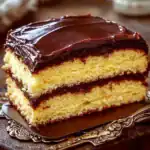
Soft Yellow Cake
Ingredients
For the Cake
- 2 cups cake flour This gives your cake its tender, delicate crumb. Don’t substitute it with all-purpose flour unless you want to compromise the softness.
- 1 teaspoon baking powder For that lovely rise.
- 1/4 teaspoon baking soda Adjust according to taste.
- 3/4 teaspoon salt Just a touch of balance.
- 1.5 cups granulated sugar Essential for sweetness.
- 1/2 cup melted butter Adds richness but should be slightly cooled.
- 1/3 cup vegetable oil For extra moisture.
- 1 cup buttermilk Must be at room temperature.
- 2 teaspoons vanilla extract Pure vanilla is preferred for flavor.
- 4 large egg yolks At room temperature, for richness.
- 2 large egg whites Beat well to stiff peaks.
Instructions
Preparation
- Preheat your oven to 175°C (350°F). Prepare your baking pans by greasing and flouring them.
- In a large bowl, sift together the cake flour, baking powder, baking soda, and salt.
- In a separate bowl, combine sugar, melted butter, and vegetable oil until sugar starts to dissolve.
- Add egg yolks to the wet mixture and mix until frothy.
- Pour in buttermilk and vanilla extract and mix until smooth.
- Gently incorporate the dry mixture into the wet ingredients until just blended.
- Beat egg whites in a separate bowl until stiff peaks form.
- Carefully fold the beaten egg whites into the batter.
Baking
- Divide the batter evenly between the prepared cake pans.
- Bake in the preheated oven for 25 to 30 minutes, or until a toothpick inserted into the center comes out clean.
- Let cakes cool in pans for 10 minutes before transferring to a wire rack to cool completely.